

No products in the cart.

How to check if honey is real?
Unfortunately, honey is one of the most frequently adulterated food products on the market. Many people wonder how to tell real, natural honey from a fake. Fortunately, there are a few simple methods that can help you assess the quality and authenticity of this valuable product. Today, we’ll share effective ways to check whether honey is genuine.
1. Honey composition – what should real honey contain?
Natural honey is a product made by bees from flower nectar or honeydew. Its main components are:
- simple sugars (glucose and fructose),
- bee enzymes,
- minerals (potassium, calcium, magnesium),
- vitamins (C, B1, B2, B6),
- amino acids and antioxidants.
If honey contains artificial additives, glucose-fructose syrup, or other substances, it may be a sign that it has been adulterated. When choosing real honey, it’s best to buy from trusted apiaries—like ours!
2. Honey crystallization – should honey crystallize?
Many consumers believe that liquid honey is better (more “real”) than crystallized honey. That’s a myth! Natural honey crystallizes over time—this is a normal process. The crystallization speed depends on the type of honey:
- Rapeseed honey – can crystallize even within a few days after harvest,
- Linden honey – may crystallize within a few weeks after harvesting,
- Acacia honey – can remain liquid for many months.
If honey other than acacia does not crystallize even after a few months, it may contain added sugar or have been excessively heat-treated. When choosing natural honeys from the Wadowice area, you can be sure that crystallization happens naturally.
3. The water test – checking honey’s viscosity
One of the simplest authenticity checks is the water test. Just follow these steps:
- Pour a glass of cold water.
- Add a teaspoon of honey.
- Observe what happens.
Natural honey sinks to the bottom as a compact clump, while artificial honey dissolves quickly in water. If your honey passes this test, it is most likely genuine.
4. The spoon test – thickness and viscosity
Natural honey is characterized by high density. To check its viscosity, do the spoon test:
- Scoop some honey onto a spoon.
- Let it flow back into the jar.
Real honey flows in a steady, continuous stream, forming characteristic patterns. Adulterated honey is thinner and runs quickly without the typical spiral-like shapes.
If you want to be sure you’re buying high-quality honey, choose honey from trusted beekeepers.
5. The paper test – how does honey react to moisture?
Natural honey contains a small amount of water, which makes it very thick. To check if your honey has been diluted, do the paper test:
- Put a drop of honey on a sheet of paper or a paper towel.
- Wait a few minutes.
If the honey stays on the surface and does not soak into the paper, it is genuine. Adulterated honey dissolves quickly and leaves a wet stain.
Taste and aroma – how to recognize real honey by its scent?
Real honey has an intense, characteristic aroma depending on the flowers it comes from. The flavor is complex—sweet at first, then it may develop a slightly tangy or herbal aftertaste. Artificial honey is uniformly sweet and lacks depth of flavor.
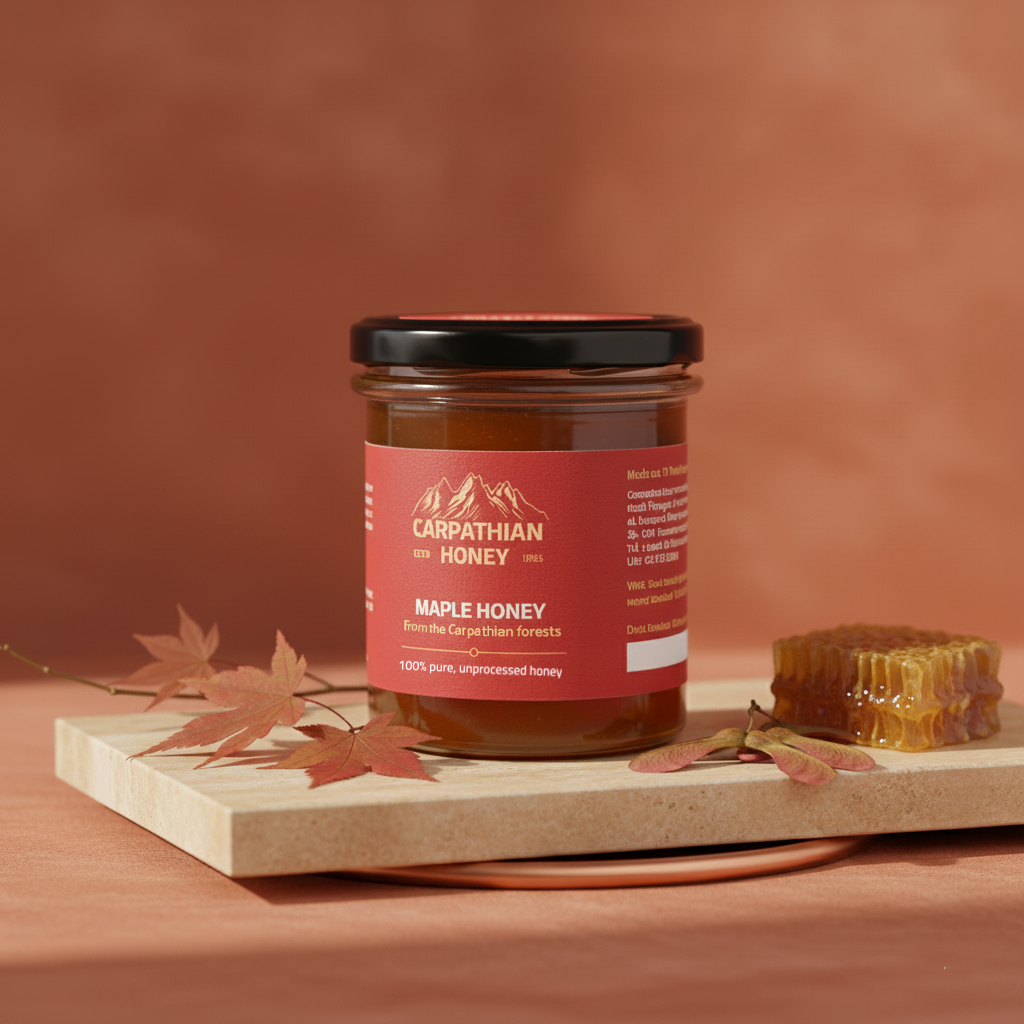
Want to try honey with a truly unique taste and aroma? Check out Carpathian Honey, sourced from my apiaries located in meadows and forests.
Buy honey only from trusted sources
The best way to avoid adulterated honey is to buy from trusted beekeepers. Products available in supermarkets often contain added sugar syrups, which lowers their nutritional value. Sometimes honey is also imported from abroad.
Recognizing real honey isn’t difficult if you know the right methods. It’s worth using the simple home tests we’ve presented. Most importantly, buy honey from a reliable source, which guarantees quality and authenticity.
Don’t risk it—choose Carpathian Honey and enjoy the natural taste and health-supporting properties of real honey!


Fotograf
Jestem naprawdę szczęśliwy, że trafiłem na ten artykuł. Wielu osobom wydaje się, że mają rzetelną wiedzę na ten temat, ale zazwyczaj tak nie jest. Stąd też moje ogromne zaskoczenie. Czuję, że chyba powinienem podziękować za Twoje działania. Koniecznie będę rekomendował to miejsce i częściej odwiedzał, żeby przejrzeć nowe artykuły.