

No products in the cart.

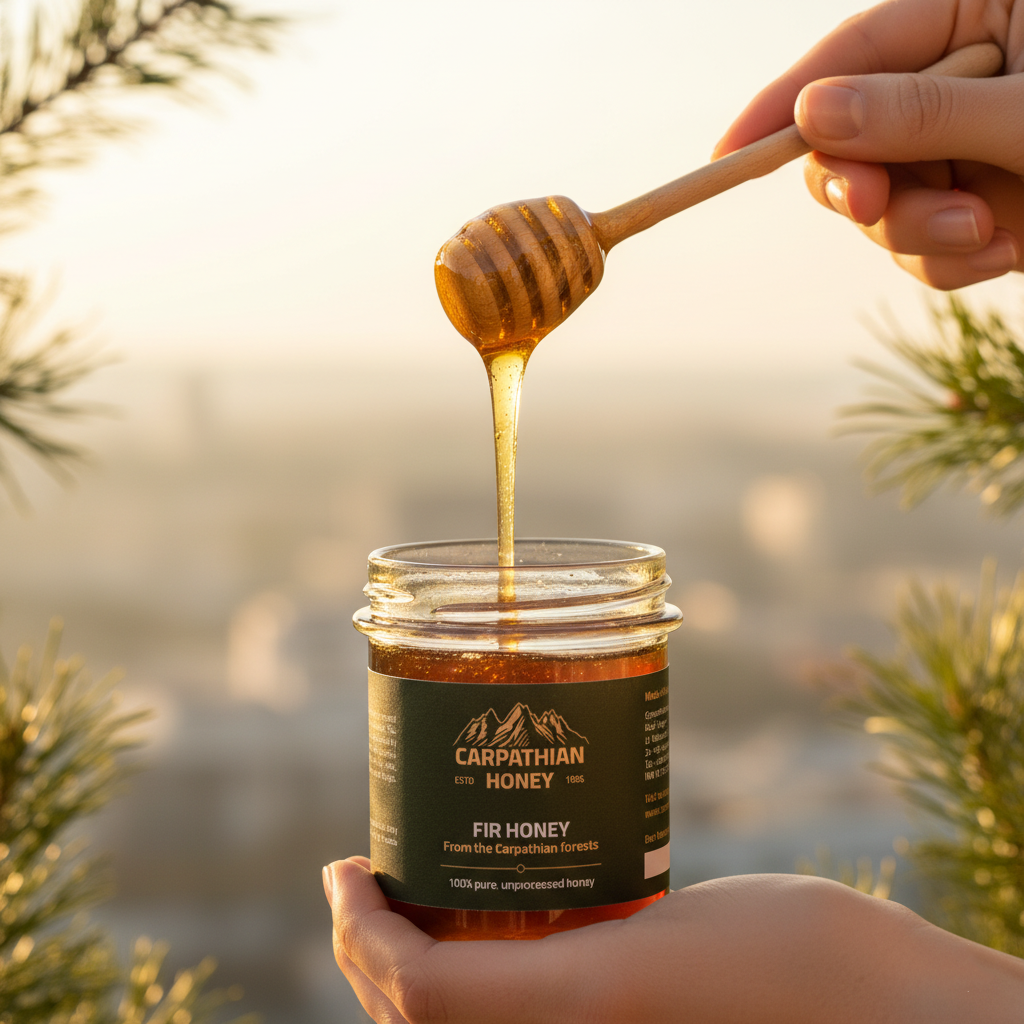
Honeydew honey – how is it made and what are its properties?
Honeydew honey is one of the most valuable and unique types of honey. It stands out not only because of its origin, but also thanks to its richness in minerals and its health-supporting properties. Thanks to our bees, which collect not only nectar from flowers, but also honeydew from coniferous and deciduous trees, we obtain a product with a distinctive taste and aroma.
How is honeydew honey made?
Honeydew – an aphid secretion collected by bees
The basis for producing honeydew honey is honeydew – a secretion of aphids and scale insects that feed on plant juices from coniferous or deciduous trees. Aphids consume plant sap, which is rich in sugars but poor in protein. To obtain enough protein, they have to process huge amounts of sap, and the excess sugars are excreted as a sticky substance called honeydew.
Bees collecting honeydew
Forager bees actively search for honeydew on the surface of leaves, needles, and tree branches. They transport this sugar-rich substance to the hive, where the processing begins. It is worth noting that a honeydew flow does not necessarily occur every year, and even when it does, it is difficult to predict when it will happen. With nectar flows from flowers, it is usually known when bees bring, for example, goldenrod pollen – this happens in autumn, at the end of the beekeeping season – and the honey harvest then yields goldenrod honey.
Processing honeydew in the hive
In the hive, bees enrich the honeydew with enzymes contained in their saliva. Thanks to this, the complex sugars present in honeydew are broken down into simpler forms that are easier for humans to absorb. Next, bees place the processed honeydew in honeycomb cells, where the honey continues to mature.
Maturation and storage
In the hive, bees intensively ventilate the combs to speed up water evaporation. When the honey reaches the proper moisture level (below 18%), the cells are sealed with wax, allowing the honey to mature and retain all its valuable properties.
Honeydew honey – what is it made from?
Honeydew honey can come from two main sources: Conifer honeydew honey – collected from trees such as fir, spruce, and pine. It is darker, with a more intense flavor, and rich in iron, potassium, and magnesium. Deciduous honeydew honey – produced on linden, oak, and maple trees. It has a lighter color, a more delicate taste, and contains more flavonoids.
Honeydew honey – properties and uses
Honeydew honey – what does it help with?
Honeydew honey is a true treasure of nature that is worth keeping in your kitchen and home medicine cabinet.
Supports immunity – rich in trace elements, it strengthens the body and helps fight infections.
Has antibacterial and anti-inflammatory effects – excellent for sore throat and respiratory infections.
Helps regulate digestion – supports the treatment of ulcers and improves bowel function.
Supports the circulatory system – helps lower blood pressure and supports heart health.
Promotes recovery – recommended for tired individuals, athletes, and people during convalescence.
How to use honeydew honey?
In tea – instead of sugar, but added to lukewarm, not hot tea. Remember that honey loses its valuable properties at temperatures above 40°C – only the sweet taste remains.
On bread – perfect with butter, cheeses, or nuts.
As a routine supplement – a teaspoon on an empty stomach supports digestion and immunity.
Why choose honey from the CARPATHIAN HONEY apiary?
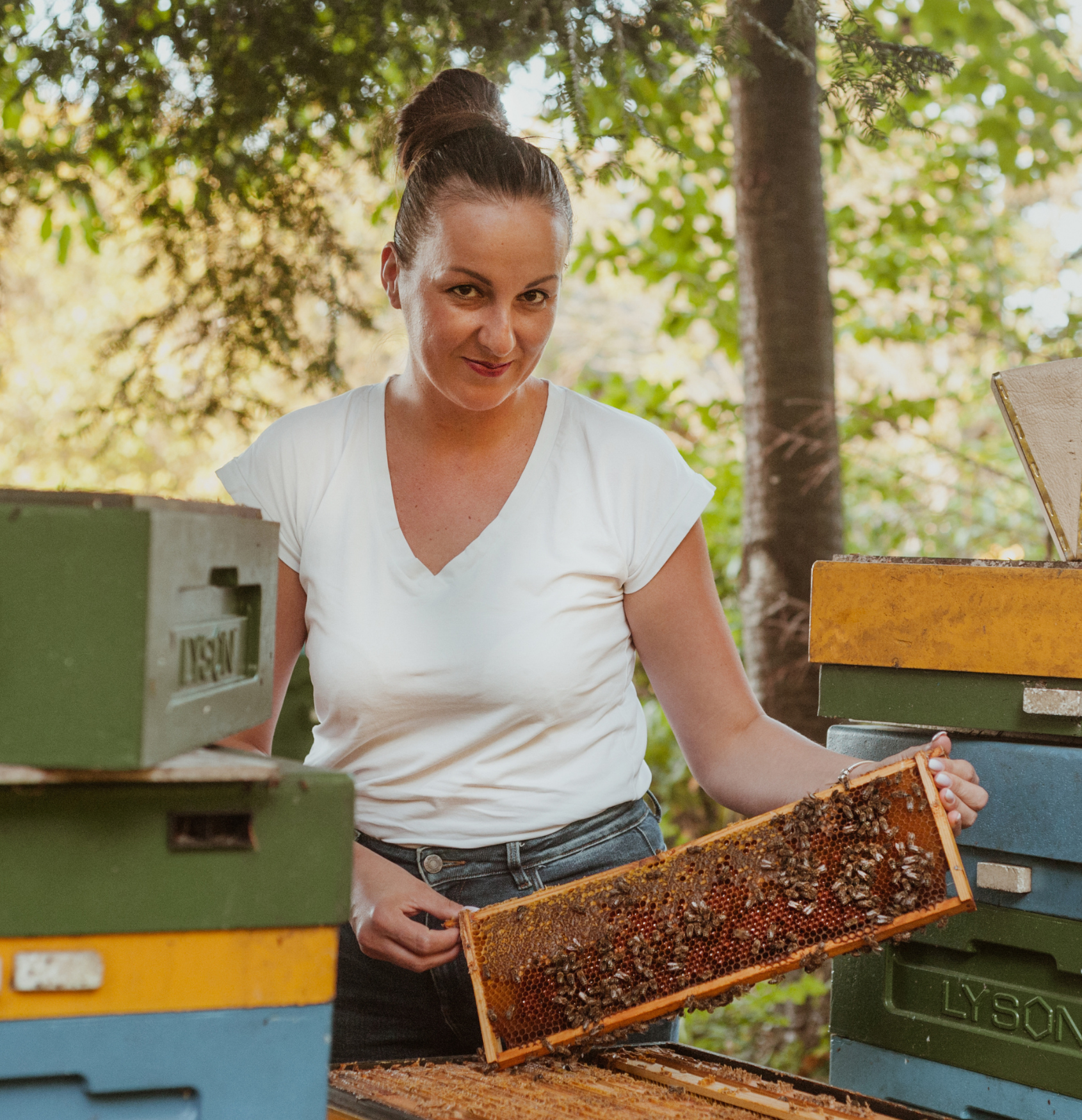
I have been working with honey for many years and I know that its quality depends greatly on the areas where the bees work. Our hives are located in clean, natural regions, far from industry and intensive agriculture. Thanks to this, our honeys are free from pollutants and full of valuable nutrients.
If you would like to try real honeydew honey, I warmly invite you to our online honey store. Reviews from our customers speak for themselves!


Leave a Reply