

No products in the cart.

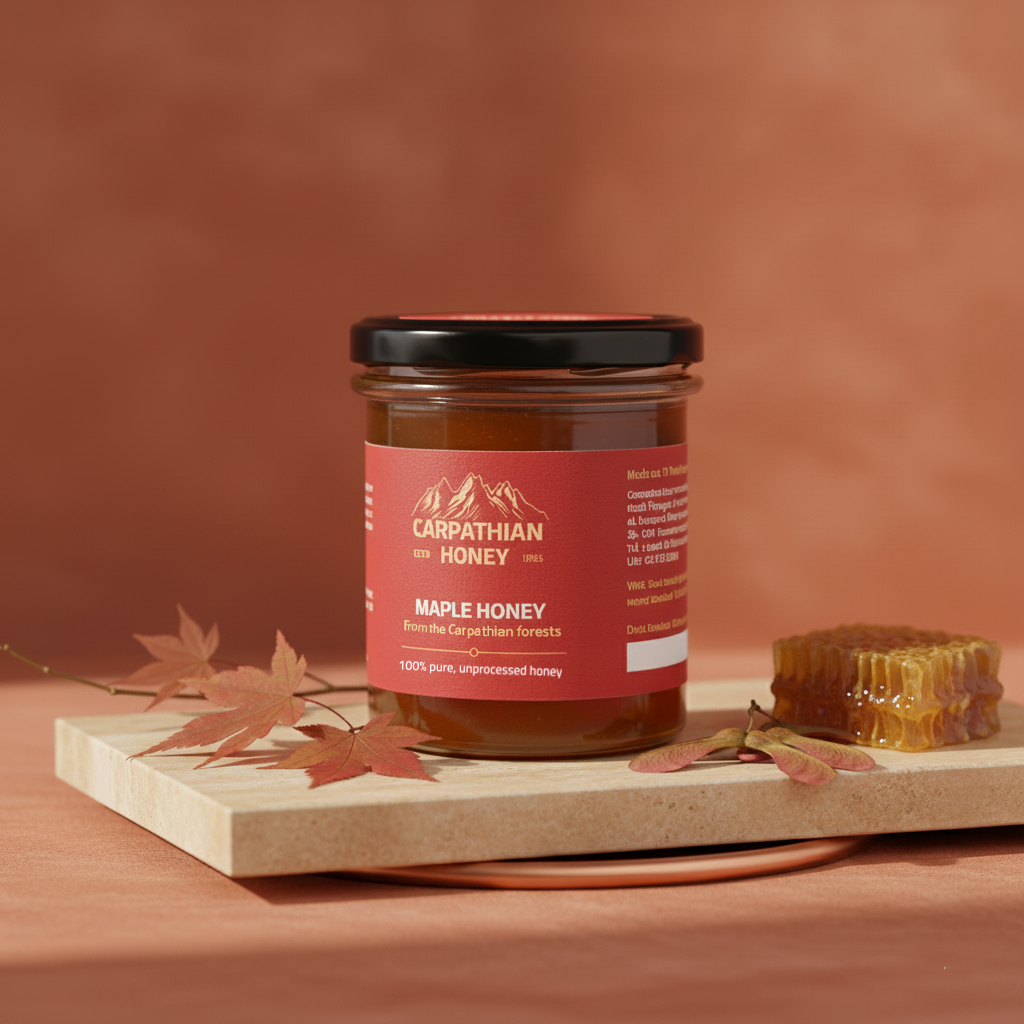
Maple honey – properties and uses.
Maple honey – delicate taste, rare harvest, and everyday uses. Discover why so many people choose this gentle, light honey.
Maple honey is one of those “quiet” honeys—mild, smooth, and surprisingly versatile. If you’re looking for a honey that feels light in taste, works well in daily meals, and comes from a short seasonal bloom, this one is worth trying. You can find it here: Maple Honey.
- 1. Why choose maple honey from our apiary?
- 2. What is maple honey made from?
- 3. Who is maple honey for?
- 4. Maple honey benefits (in daily routines)
- 5. Uses of maple honey
- 6. Maple honey and a sensitive stomach
- 7. Maple honey for children
- 8. Maple honey vs. other honeys
- 9. Why choose honey from our apiary?
Why choose maple honey from our apiary?
Honey has been part of human diets for centuries—not only as nature’s sweetness, but also as a valued pantry staple. While many people reach first for multifloral or honeydew varieties, there are also rare seasonal honeys that appear only for a short time. Maple honey is one of them: subtle, light, and loved by people who prefer gentle flavors.
If you want a “daily honey” that doesn’t overpower tea, yogurt, or breakfast bowls, start here: Maple Honey. And if you’re building a small honey tasting set, pair it with Multifloral Honey for a classic, versatile combination.
What is maple honey made from?
Maple honey comes from nectar collected during the short bloom of maple trees (such as sycamore maple, Norway maple, or field maple). This bloom typically lasts only a brief period in spring—one of the reasons maple honey is considered a limited, seasonal product.

Because the harvest window is short, it’s not the kind of honey you’ll see everywhere. When it’s available, it’s worth trying— especially if you enjoy light, smooth sweetness rather than intense “forest” notes.
Who is maple honey for?
Maple honey is often chosen by people who want a gentle honey that fits easily into everyday meals.
- For fans of mild honey: smooth taste, great for daily use.
- For adults during busy periods: a simple, natural sweetener that’s easy to enjoy consistently.
- For seniors: many people prefer mild honeys that work well in warm drinks and breakfasts.
- For families: a friendly taste that’s usually well-liked (for children, see the safety note below).
If you’re choosing honey for everyday “immunity-season” routines, consider rotating maple honey with Multifloral Honey or trying a richer “forest” option like Fir Honey.
Maple honey benefits (in daily routines)
Maple honey has a light golden-to-amber tone and a delicate aroma. Like real honey, it can crystallize after some time— that’s a natural process and not a defect.
What people value maple honey for:
- Gentle taste that works well in many foods and drinks.
- Easy everyday use — a natural alternative to refined sugar.
- Great pairing potential — especially with breakfast bowls, yogurt, and light desserts.
- Comfort-friendly choice for people who prefer milder honeys.
Want something more intense and mineral-forward? Compare maple honey with honeydew varieties like Leaf Honeydew Honey or Fir Honey.
Uses of maple honey
Maple honey is a “kitchen friendly” honey—mild enough for daily meals and flexible enough for simple recipes.
- Tea and warm drinks: add honey after the drink cools slightly (avoid boiling temperatures).
- Breakfast: oatmeal, yogurt, cottage cheese, granola bowls.
- Desserts: pancakes, waffles, light baking.
- Simple sauces: a touch of sweetness for dressings or marinades.
For a tasting trio in one kitchen: mild Maple Honey, classic Multifloral Honey, and aromatic Goldenrod Honey.
Maple honey and a sensitive stomach
Many people describe maple honey as “gentle” and easy to include in daily routines—especially compared to stronger, more resinous honeys. If you have a sensitive stomach, the most helpful approach is usually portion size and consistency: start with a small amount (for example, 1 teaspoon) and see how you feel.
If you prefer a more intense honey, but still want something smooth in warm drinks, try alternating maple honey with Multifloral Honey.
Is maple honey good for children?
Maple honey is often appreciated by children for its mild taste, but remember the key rule: honey should not be given to children under 12 months of age. For older children, honey can be used as an occasional sweetener—e.g., in yogurt or oatmeal.
If you want a family-friendly everyday option, also check Multifloral Honey.
Comparing maple honey with other honeys
| Honey type | Taste & character | Best for daily use when you want… | Link |
|---|---|---|---|
| Maple honey | Mild, smooth, subtle sweetness | A gentle honey that won’t overpower meals | View |
| Multifloral honey | Balanced, floral, versatile | An everyday “all-rounder” for the whole family | View |
| Fir honey | Deep, resinous, forest notes | A bold honey with strong character | View |
| Leaf honeydew honey | Darker, rich, honeydew profile | A more intense, “forest-like” sweetness | View |
Why choose honey from our apiary?
When you buy honey directly from an apiary, you know where it comes from and how it’s handled from hive to jar. At Carpathian Honey, we focus on careful harvesting and clean, transparent quality. If you want to try our gentle seasonal honey, start here: Maple Honey.
Summary
Maple honey is a rare seasonal honey with a delicate taste that fits perfectly into everyday use. If you enjoy mild sweetness, want a versatile jar for breakfasts and warm drinks, or you’re building a tasteful honey set, it’s an excellent choice.
Explore the product here: Maple Honey — and consider pairing it with Multifloral Honey or a stronger “forest” variety like Fir Honey.
Sources
1. Wilde, P.S. Bee products and their use in therapy. Warsaw: PWRiL, 2019.
2. Madras-Majewska, B. Honey and its health properties. Przegląd Pszczelarski, 2021.
3. Kędzia, B. Honey and other bee products in prevention and therapy. Institute of Natural Medicine, 2017.
4. Carpathian Honey Apiary – own experience.
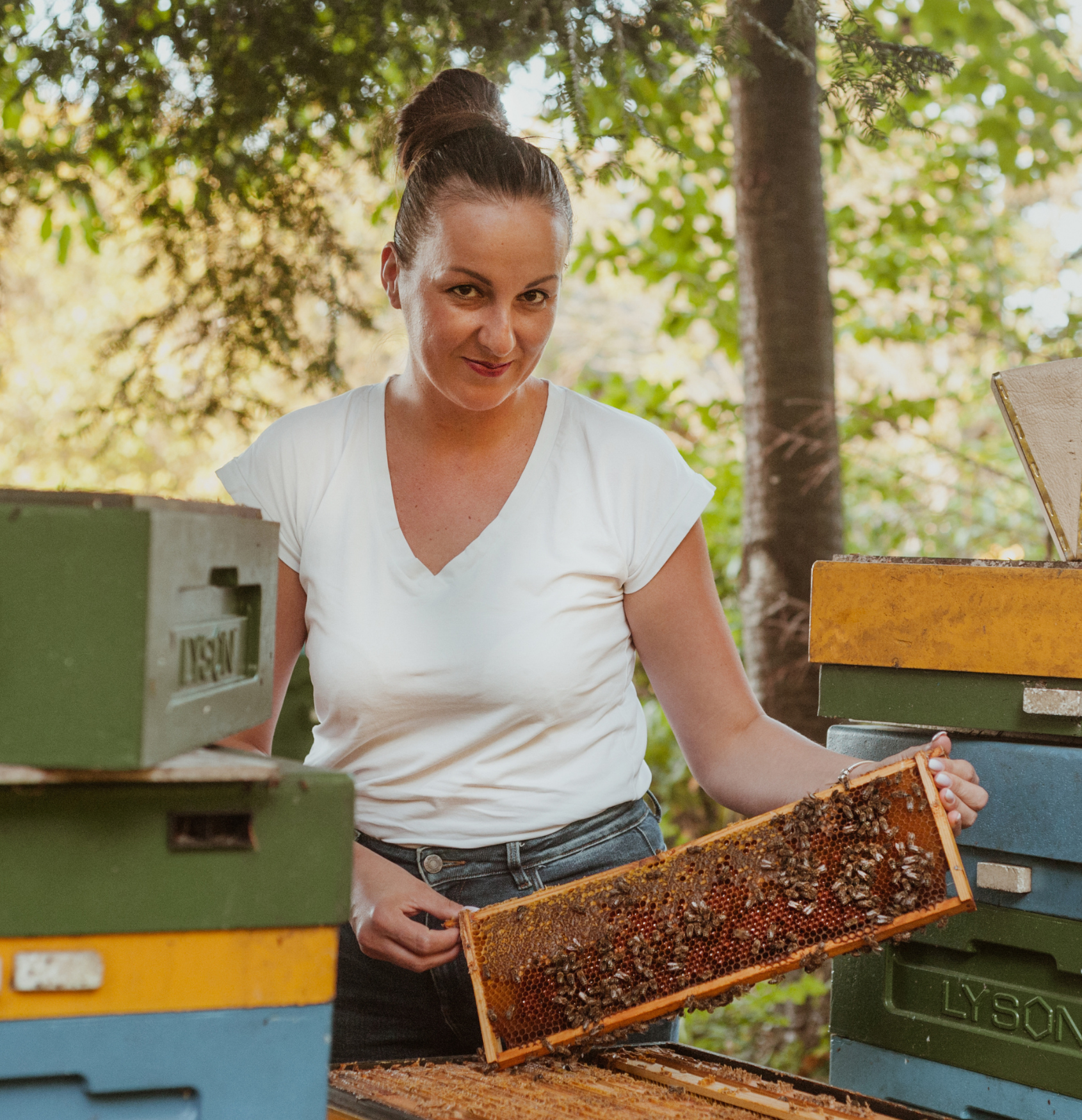
Author: Justyna Bogacz
Owner of Miody Wadowickie Apiary
FAQ
1. What is maple honey?
Maple honey is a seasonal honey made from maple blossom nectar. It’s typically light in color and mild in taste, which makes it a popular everyday choice.
2. What are the benefits of maple honey?
People choose maple honey mainly for its gentle taste and easy everyday use as a natural sweetener. Like other natural honeys, it fits well into daily routines when used consistently and in moderation.
3. Who should use maple honey?
Maple honey is a great option for anyone who prefers mild flavors, wants a versatile honey for breakfast and warm drinks, or is looking for a gentle honey to rotate with other varieties.
4. How is maple honey different from other honeys?
Compared to stronger honeydew honeys (like fir or leaf honeydew), maple honey is lighter and more subtle. It’s also typically milder than many intensely aromatic floral honeys.
5. How can maple honey be used?
It’s perfect for oatmeal, yogurt, pancakes, light desserts, and warm drinks (add honey after the drink cools a little). See the product here: Maple Honey.
6. Is maple honey good for children?
Many children like its mild taste, but remember: honey should not be given to children under 12 months of age. For older children, it can be used as an occasional sweetener in a balanced diet.
7. How should maple honey be stored?
Store it tightly closed at room temperature, away from heat and direct sunlight.
8. Does maple honey crystallize?
Yes—crystallization is natural for real honey. If you prefer it smoother, warm the jar gently in a water bath (avoid high temperatures).
9. Why buy maple honey from Carpathian Honey?
Because you’re buying directly from an apiary with a focus on quality and transparent origin. Try it here: Maple Honey.


Leave a Reply