

No products in the cart.


Which honey is the healthiest, which one should you choose? – honey properties.
Honey Properties & Types: Which Honey to Choose and When?
People ask all the time: Which honey is best for immunity? Which one is gentle on the stomach? What should I choose for everyday use? Below you’ll find a clear, practical guide to the types of honey available in our store— plus simple tips on how to use them daily.
If you’re looking for truly natural honey, it helps to understand how each variety differs in taste, aroma, and traditional uses. While honey isn’t medicine, many people include it in their routine as part of a balanced lifestyle.
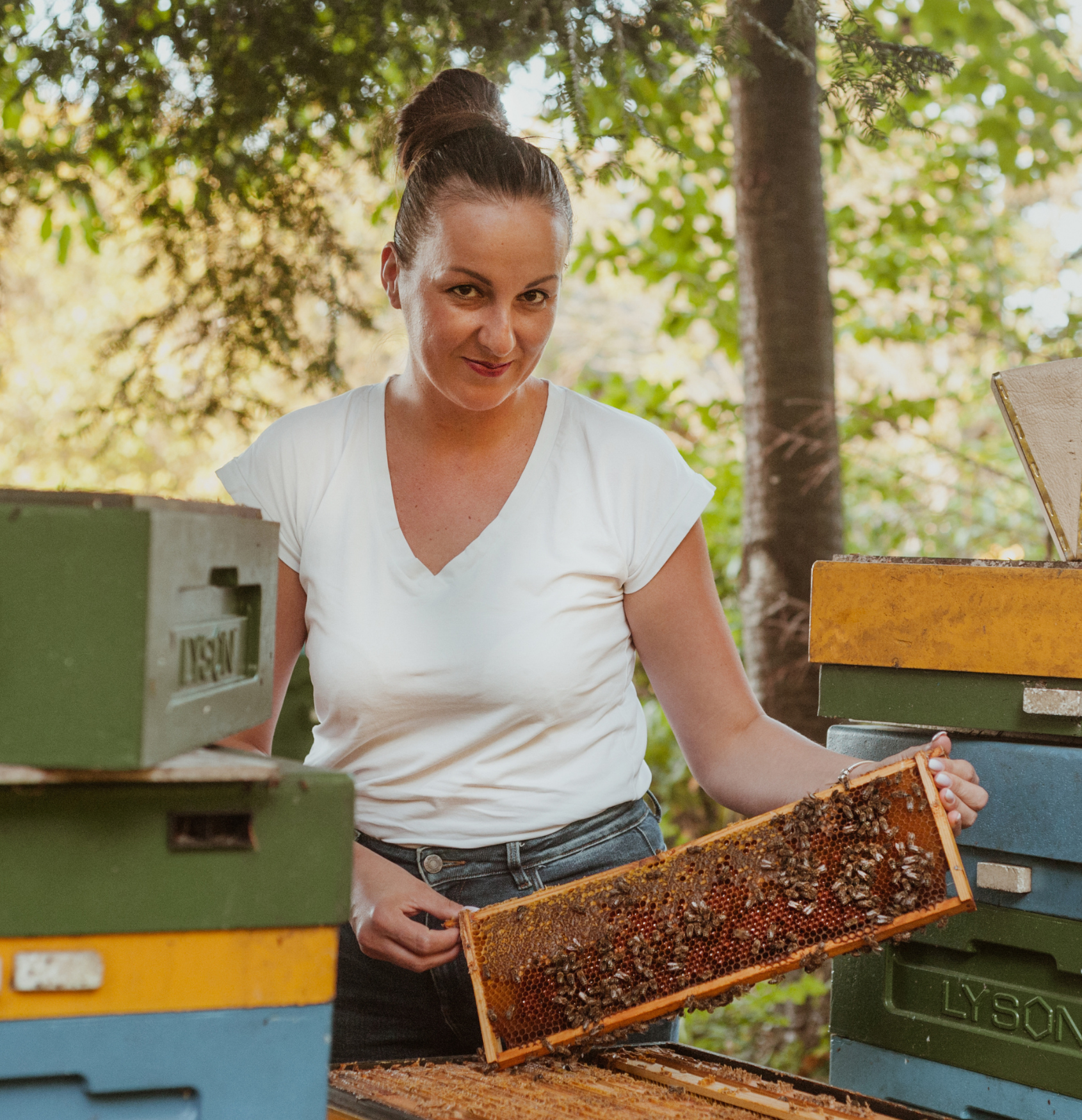
“Each honey has its own character—taste, aroma, and composition. That’s why it’s worth choosing honey not only for its tradition and benefits, but also for the flavor you’ll enjoy every day.”
— Rafał Bogacz, Carpathian Honey Apiary
Quick guide: what makes honeys different?
Honey varies depending on what bees collected: nectar from flowers (nectar honeys) or honeydew found on trees (honeydew honeys). The result can be different in color, intensity, and mineral profile. Some honeys are light and mild, others darker and more resinous.
- For everyday sweetness: go mild and versatile.
- For stronger, “forest” flavor: choose honeydew honeys.
- For a “routine boost”: consider adding bee products like pollen or bee bread to your diet.
Types of honey and bee products available in our store
1) Multifloral honey — the everyday classic
Multifloral honey is made from nectar gathered from many plants blooming at the same time. It’s a great “daily” honey because it’s usually balanced in taste and easy to pair with food.
Why choose it? Traditionally used as an everyday support in the diet and a natural alternative to refined sugar. Many people reach for it during seasonal changes as part of a routine focused on wellbeing.
How to use: oatmeal, yogurt, toast, smoothies, or as a sweetener (after the drink cools).
Try it here: Multifloral Honey
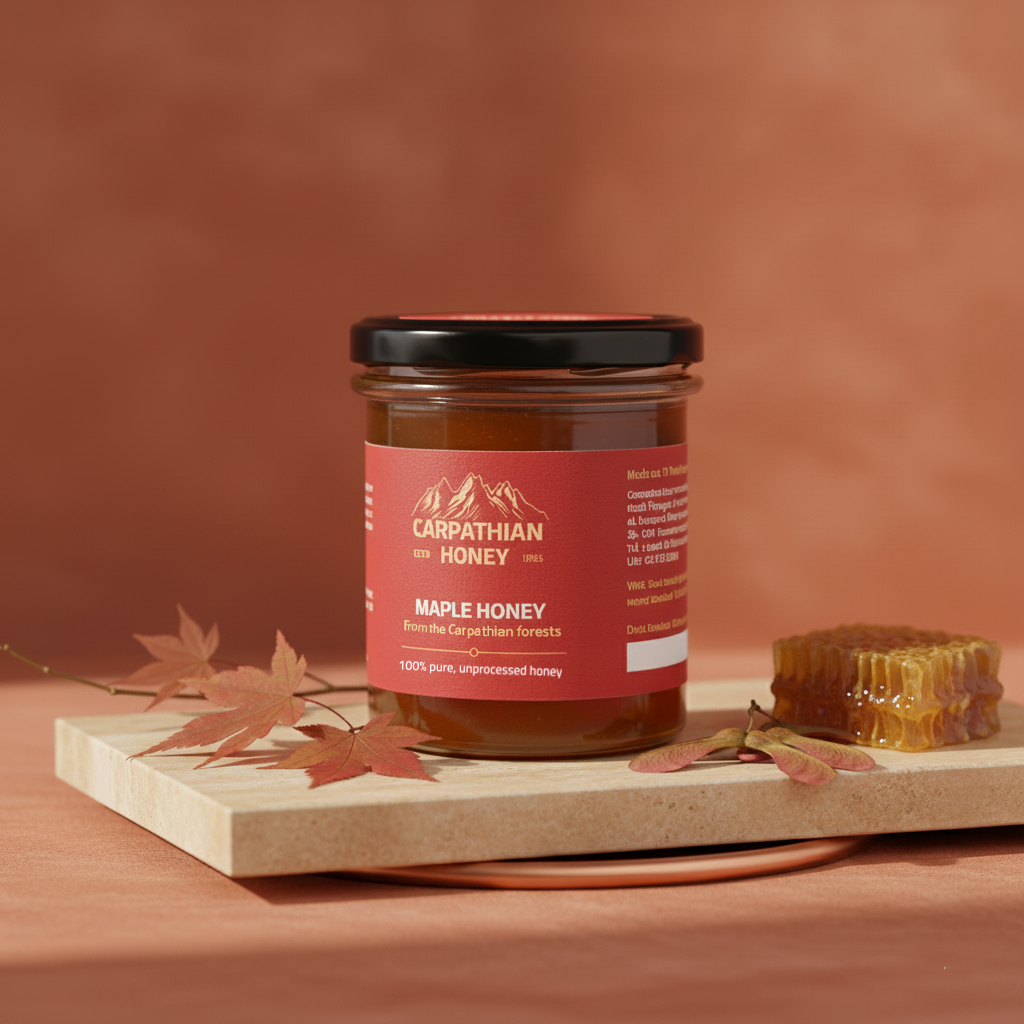
2) Maple honey — mild, smooth, and easy to enjoy
Maple honey is known for its gentle flavor profile. If you prefer milder honeys and want something that fits many meals, this is a great option.
Why choose it? It’s often picked by people who want a honey that feels “light” in everyday use. It also works well in simple recipes where you don’t want honey to dominate the taste.
How to use: porridge, pancakes, cottage cheese, sauces, or baking.
Try it here: Maple Honey
3) Goldenrod honey — a strong seasonal favorite
Goldenrod honey is typically harvested late in the season and has a distinctive aroma and taste. Many customers choose it as part of their autumn routine.
Why choose it? Goldenrod is traditionally associated with seasonal wellbeing routines—especially when people want something bold and characteristic.
How to use: straight from the spoon, in warm water with lemon (not boiling), or with herbal teas.
Try it here: Goldenrod Honey
4) Leaf honeydew honey — deep, “forest” character
Leaf honeydew honey is made from honeydew found on deciduous trees rather than flower nectar. Honeydew honeys are usually darker, more intense, and valued for their distinctive taste.
Why choose it? If you enjoy richer, less “floral” sweetness and want a honey that feels robust, this is an excellent choice. Many people include honeydew honey in their diet during colder months.
How to use: with rye bread, in marinades, or as a strong-flavor sweetener for tea (after cooling).
Try it here: Leaf Honeydew Honey
5) Fir honey — resinous notes and a bold finish
Fir honey is a honeydew-style honey associated with conifer forests and a more resinous aroma. It’s a favorite among people who prefer darker, stronger honeys.
Why choose it? Great if you want a “forest” honey with a pronounced taste and a unique profile compared to floral varieties.
How to use: in herbal infusions, on toast, or paired with nuts and aged cheeses.
Try it here: Fir Honey
6) Bee pollen — a simple add-on to your routine
Bee pollen is collected by bees from flowers and is popular as a daily dietary add-on. It has a naturally intense taste—some people love it in yogurt or smoothies.
How to use: start small (e.g., 1/2 tsp), then increase gradually if it suits you. Mix into yogurt, kefir, smoothie bowls, or sprinkle over oatmeal.
See product: Bee Pollen
7) Bee bread — fermented bee pollen (perga)
Bee bread (also called perga) is pollen naturally fermented in the hive. People often choose it as a more “ready-to-use” form compared to pollen because it’s traditionally considered easier to incorporate into routines.
How to use: take a small portion with water, or add to yogurt. Best used consistently in small amounts.
See product: Bee Bread
Comparison table: which product for what purpose?
Below is a simple overview to help you decide quickly. (This is a lifestyle guide, not medical advice.)
| Product | Taste profile | Best for | Link |
|---|---|---|---|
| Multifloral honey | balanced, floral | everyday use, families, versatile cooking | View |
| Maple honey | mild, smooth | people who prefer gentle honey; simple recipes | View |
| Goldenrod honey | distinctive, aromatic | seasonal routines; those who like bold honey | View |
| Leaf honeydew honey | dark, rich, forest-like | fans of intense honey; winter pantry staple | View |
| Fir honey | resinous, deep | those who love strong conifer/forest notes | View |
| Bee pollen | intense, slightly bitter/sweet | diet add-on; smoothies, yogurt, oatmeal | View |
| Bee bread | tangy, fermented | diet add-on; consistent small servings | View |
How to use honey so it keeps its value
- Don’t add honey to boiling drinks. Let tea cool down a bit first.
- Use consistently. Honey works best as a habit, not a one-time “fix.”
- Crystallization is natural. It’s a normal process for real honey.
FAQ
1) Which honey should I choose for everyday use?
If you want one jar for daily breakfasts and drinks, start with multifloral honey. If you prefer a gentler taste, consider maple honey.
2) What’s the difference between honey and honeydew honey?
Nectar honey comes from flower nectar. Honeydew honey (like leaf honeydew honey and fir honey) is made from honeydew found on trees and is usually darker and more intense.
3) Can I eat honey every day?
Many people do. A common approach is 1–2 teaspoons daily, depending on your overall diet and needs. Honey is still a source of sugars and calories—moderation matters.
4) Can children eat honey?
Honey should not be given to children under 12 months. For older children, many families choose mild varieties like multifloral honey (in sensible amounts).
5) Bee pollen or bee bread — which one should I start with?
If you’re new to bee products, start with a small amount of bee pollen or bee bread and see what you enjoy most. People often take them with yogurt or water and prefer consistency over large servings.
Note: If you have allergies, are pregnant, or have any health concerns, consult a qualified professional before adding new bee products to your routine.
Want to try the right honey for your taste?
Explore our selection and choose the flavor profile that fits your daily habits: Multifloral, Maple, Goldenrod, Leaf Honeydew, Fir, Bee Pollen, Bee Bread.
National Center for Nutrition Education – https://ncez.pzh.gov.pl

Pingback: Miód klonowy – właściwości i zastosowanie. - Miody Wadowickie