

No products in the cart.

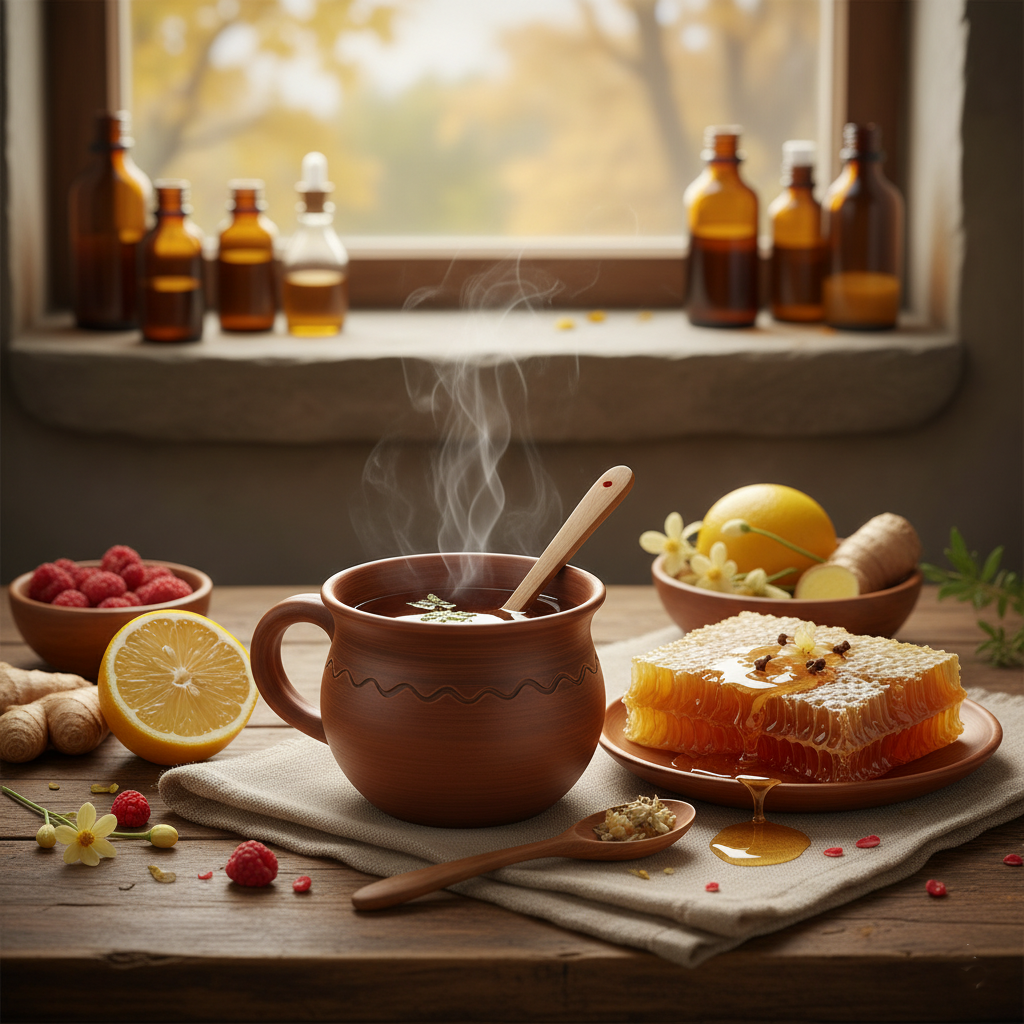
Honey for colds and sore throat – which one to choose and how to use it?
When chilly days arrive, we’re more likely to experience a sore throat, runny nose, or cough. In moments like these, many of us look for natural ways to support everyday immunity. One of the most traditional choices is honey—simple, comforting, and easy to use at home.
Below you’ll find a practical guide: which honey to choose for seasonal discomfort, how to use it correctly (so you don’t overheat it), and which products from our store are worth keeping in the pantry.
- Why is honey so special?
- Which honey should you choose for colds and sore throat?
- How to use honey for colds and sore throat?
- The best honey for colds: quick comparison
Why is honey so special?

Honey is more than a tea sweetener. It’s a natural product with a long tradition in everyday home routines. Many people choose it especially during colder months because it’s gentle, comforting, and easy to include in daily meals.
Regular use (in sensible amounts) can be a helpful part of your routine because honey:
- supports everyday wellbeing and comfort,
- soothes throat irritation when taken slowly,
- adds quick energy when you feel run-down,
- pairs well with warm drinks and simple home mixes (lemon/ginger).
“Honey isn’t an instant fix. It’s a natural support you use consistently—especially in colder seasons. Good habits make a real difference over time.”
Rafał Bogacz, Carpathian Honey Apiary
Which honey should you choose for colds and sore throat?
Not every honey tastes the same—and many people also use different varieties for different moments in the season. Here are the best options from our store to keep at home:
1) Multifloral honey (a gentle everyday choice)
Multifloral Honey is mild and versatile, which makes it a popular “daily” honey—especially in family kitchens. Many people use it in warm drinks, breakfasts, or simple mixtures with lemon.
2) Fir honey (bold “forest” character)
If you prefer a deeper, more resinous taste, choose Fir Honey. This is a great option for people who enjoy strong, “forest-like” notes in tea or on toast.
3) Leaf honeydew honey (rich and intense)
Leaf Honeydew Honey is darker and richer than typical floral honeys. Many customers reach for honeydew varieties during colder months because they like their intense taste profile.
4) Bee pollen (extra add-on for the season)
It’s not honey, but Bee Pollen is a popular add-on in autumn/winter routines. People often mix it into yogurt, oatmeal, or smoothies. Start with a small amount and see what you like.
Prefer something very mild and smooth? You can also try Maple Honey as an everyday option for warm drinks and breakfasts.
How to use honey for colds and sore throat?
Simple ways to use honey when you feel under the weather
• Slowly in the mouth — take 1 teaspoon and let it dissolve slowly (many people find this soothing for the throat).
• In warm tea — add honey only after the drink cools a little (aim for warm, not boiling).
• Honey + lemon + ginger — a classic home mix in warm water (again: not boiling).
• In the evening — a small portion before bed is a common routine during cough season.
Note: Honey should not be given to children under 12 months of age.
The best honey for colds and sore throat
| Product | What people use it for | Best in | Link |
|---|---|---|---|
| Multifloral honey | gentle daily option; comforting in warm drinks | family kitchens; mild seasonal routines | View |
| Fir honey | bold “forest” flavor; strong tea companion | tea; toast; seasonal pantry | View |
| Leaf honeydew honey | rich, intense taste; often chosen in winter | tea; breakfasts; people who like darker honeys | View |
| Bee pollen | seasonal add-on; popular in breakfast routines | yogurt; oatmeal; smoothies | View |
Why choose honey from our apiary?
At Carpathian Honey, we’ve been caring for bees and honey quality for years. Our apiaries are located away from heavy industry, in clean natural areas—so you get honey with a clear origin and honest taste.
If you want to build a “cold-season pantry”, start with a gentle everyday jar like Multifloral Honey, add a richer option like Leaf Honeydew Honey, and keep Bee Pollen for breakfast routines.
Small habits. Big comfort in the cold season.
Sources
1. Carpathian Honey Apiary – own experience.
2. Kędzia, B. Bee products in the treatment of infectious and lifestyle diseases. Instytut Wydawniczy Związków Zawodowych, 2013.
3. Bogdanov, S. Honey in medicine. Bee Product Science, 2012.
4. Samarghandian, S. et al. Honey and health: A review of the literature. Pharmacognosy Research, 2017.
FAQ – Most common questions
Which honey is best for a sore throat?
Many people like taking a small spoon of honey slowly so it coats the throat. For a mild, everyday option, choose Multifloral Honey.
Is honeydew honey good in the cold season?
If you enjoy darker, richer flavors, honeydew varieties are a great choice in winter—try Leaf Honeydew Honey or the more resinous Fir Honey.
Can children have honey for a cold?
Honey should not be given to children under 12 months. For older children, many families choose a mild honey like Multifloral Honey as an occasional sweetener.
How do you use honey so it doesn’t lose its value?
Avoid boiling temperatures. Add honey to warm drinks after they cool slightly, or eat it raw.
Is bee pollen worth using when you feel weak?
Many people add Bee Pollen to yogurt or oatmeal as part of a seasonal routine—start with a small amount and see what you like.
Why is it better to buy honey from an apiary?
Buying directly from an apiary gives you clear origin, honest freshness, and real taste—without supermarket guesswork.
Which honey is best for a cold?
For a practical home pantry, the most versatile combo is Multifloral Honey (mild daily use) plus a richer honeydew option like Leaf Honeydew Honey or Fir Honey.



Leave a Reply